
Tag: environment

  • For Sustainability Accountants, New Entities Step Forward As The Federal Government Steps Back

    Sustainability accountants may have been worried when the U.S. Securities & Exchange Commission (SEC) permanently withdrew its climate change (carbon emissions) reporting requirements. What would they do? Were their jobs in jeopardy?

    Apparently, their employment prospects weren’t bleak after all. Last month, the private sector stepped into the void with the launch of the Task Force for Corporate Action Transparency (TCAT). The entity published new corporate standards regarding the reporting of climate change information, emphasizing the need for third party assurance (i.e. independent audit) activities on the data. The Wall Street Journal noted that Netflix, PepsiCo, and eleven other companies were already pilot testing the guidance.

    Likewise, accountants in the medical sector may have been concerned when the U.S. Department of Health & Human Services ceased the collection and reporting of various health metrics. Once again, though, a new entity emerged to assume this function.

    Which entity? Fifteen U.S. states announced the launch of the Governors Public Health Alliance. The group pledged to “share best practices, exchange data and collaborate on emergency response, vaccine policy and other technical issues,” activities that were once performed by federal government agencies. Two other alliances of U.S. states, one located in the Northeastern United States and the other on the Pacific Coast, previously announced similar pledges.

    Professionals across the political spectrum may be well-advised to review the output of these new entities. Those who believe in the federal government’s efforts to limit public reporting may need to understand how these new initiatives are attempting to replace the data. Conversely, those who support the principle of public reporting may need to implement the new guidance.

    Interestingly, it appears that sustainability accountants will continue to be “in demand,” regardless of the federal government’s role in defining relevant metrics and standards. As the federal government steps back and eliminates its requirements, other parties are stepping forward and establishing new expectations.
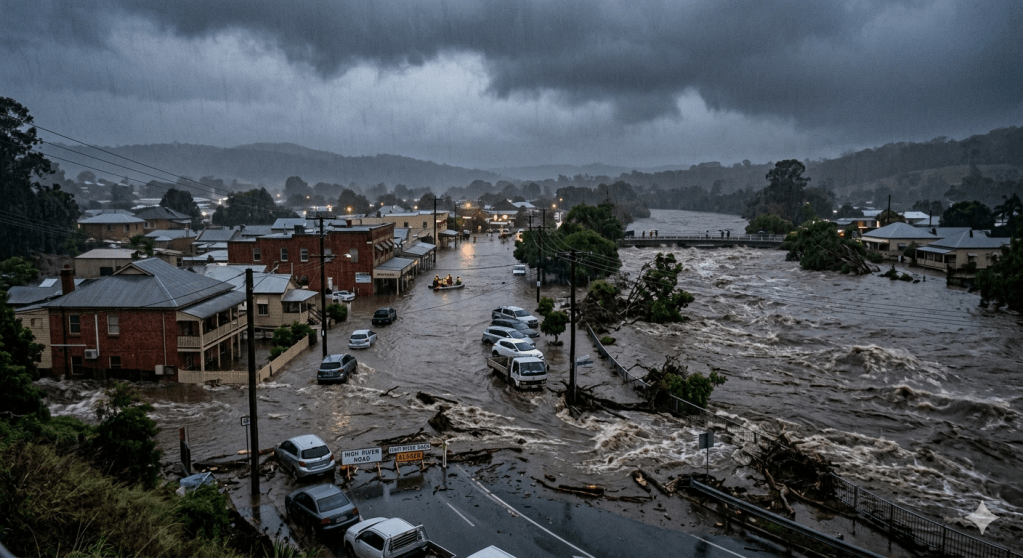
  • Storm Flooding Catastrophes: Assessing A Region’s Response Capability

    Two weeks ago, a storm flood surged through the Hill Country of central Texas, inflicting more than one hundred fatalities. Last year, Hurricane Helene caused a similar level of damage in North Carolina and other southeastern U.S. communities. Neither of these events, though, matched the destructive power of Hurricane Katrina in 2005; striking New Orleans and surrounding communities, it was responsible for more than 1,000 fatalities.

    Commercial and residential property owners, insurers, and mortgage lenders must assess the capabilities of regional response functions to minimize the enormous social, financial, and environmental costs of such storms. Can they learn from the experience of the Hill Country storm, the most recent event to generate such catastrophic losses?

    Yes, they can, if they utilize a standard set of analytical questions that should be applied to all regional catastrophic readiness functions:

    a. Is an entity held responsible for assessing the region’s catastrophic readiness?

    b. Does that entity develop and publish a plan to maintain its readiness?

    c. Can the region implement the plan when a storm strikes?

    d. Does the plan employ standardized metrics that are defined by credible organizations?

    e. Does an independent entity review the assessment process on a periodic basis?

    Professional analysts will inevitably agree on certain answers to these questions and disagree on others. It’s important, though, that they all utilize the same publicly available information to develop their informed opinions. For instance, regarding the Hill Country case:

    a. The web site of the Texas Water Development Board’s State Flood Planning function contains material information about flood assistance programs, management training, community resources, and other relevant functions.

    b. The web site of the Development Board’s State Flood Plan contains significant supporting information about the state’s “… effort to perform comprehensive planning to reduce flood risk and take a broad look at flood hazard across the state.”

    c. The 245 page PDF document entitled 2024 State Flood Plan is the most recent comprehensive state-wide plan; thus, it reflects the current status of the region’s readiness to respond to catastrophic floods.

    Reasonable minds may certainly differ about how the data in such sources may impact an assessment of a regional response function. Nevertheless, reasonable minds should all agree on the relevance of the (above) five questions and the need to utilize a region’s published information for assessment purposes.