Category: Environmental Sustainability

  • Storm Flooding Catastrophes: Assessing A Region’s Response Capability

    Why We Need Regional Catastrophic Readiness Functions

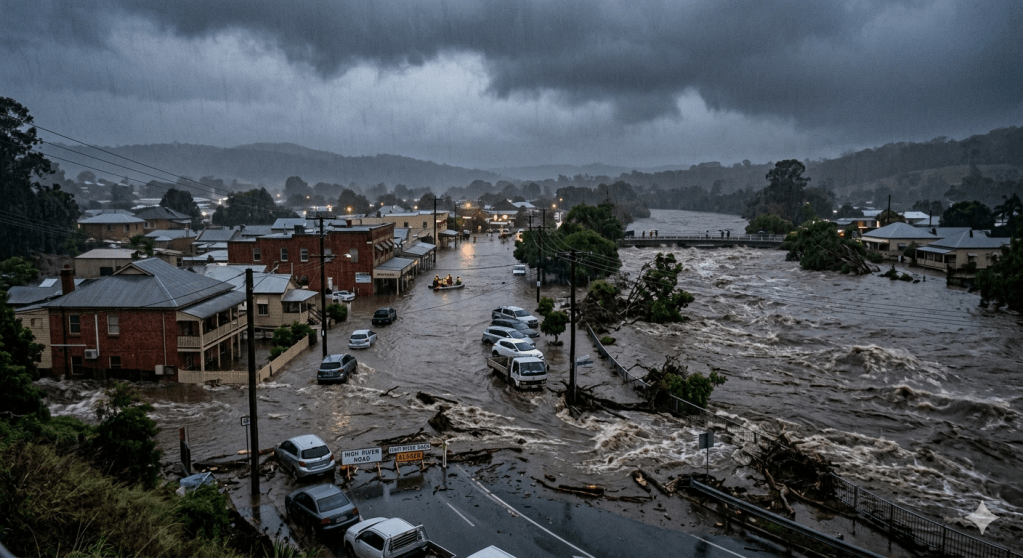
    Two weeks ago, a storm flood surged through the Hill Country of central Texas, inflicting more than one hundred fatalities. Last year, Hurricane Helene caused a similar level of damage in North Carolina and other southeastern U.S. communities. Neither of these events, though, matched the destructive power of Hurricane Katrina in 2005; striking New Orleans and surrounding communities, it was responsible for more than 1,000 fatalities.

    Commercial and residential property owners, insurers, and mortgage lenders must assess the capabilities of regional response functions to minimize the enormous social, financial, and environmental costs of such storms. Can they learn from the experience of the Hill Country storm, the most recent event to generate such catastrophic losses?

    Yes, they can, if they utilize a standard set of analytical questions that should be applied to all regional catastrophic readiness functions:

    a. Is an entity held responsible for assessing the region’s catastrophic readiness?

    b. Does that entity develop and publish a plan to maintain its readiness?

    c. Can the region implement the plan when a storm strikes?

    d. Does the plan employ standardized metrics that are defined by credible organizations?

    e. Does an independent entity review the assessment process on a periodic basis?

    Professional analysts will inevitably agree on certain answers to these questions and disagree on others. It’s important, though, that they all utilize the same publicly available information to develop their informed opinions. For instance, regarding the Hill Country case:

    a. The web site of the Texas Water Development Board’s State Flood Planning function contains material information about flood assistance programs, management training, community resources, and other relevant functions.

    b. The web site of the Development Board’s State Flood Plan contains significant supporting information about the state’s “… effort to perform comprehensive planning to reduce flood risk and take a broad look at flood hazard across the state.”

    c. The 245 page PDF document entitled 2024 State Flood Plan is the most recent comprehensive state-wide plan; thus, it reflects the current status of the region’s readiness to respond to catastrophic floods.

    Reasonable minds may certainly differ about how the data in such sources may impact an assessment of a regional response function. Nevertheless, reasonable minds should all agree on the relevance of the (above) five questions and the need to utilize a region’s published information for assessment purposes.

  • The Perrier Mineral Water Violation: Sustainability Enters The Business Mainstream

    Is this really a “natural” process?

    Last month, the French government accused Nestle of a serious legal violation. Although the firm has always advertised its Perrier mineral water brand as one that represents “natural” water, the government charged that Nestle actually disinfects and processes the water before bottling it. Thus, according to French law, it isn’t “natural” at all, and must not be advertised in that manner.

    Before sustainability accounting and reporting became a public concern twenty to thirty years ago, this event would have been perceived as an internal management issue. In addition, it would have been seen as an external brand management and public relations matter.

    So what has the rise of sustainability accounting and reporting processes contributed to our ability to assess Nestle’s exposure to this type of problem? We can now review Nestle’s Performance and Reporting web site section, noting that the firm utilizes the two major sustainability reporting standards (the GRI and the SASB) to guide its selection of sustainability metrics.

    We can also see that Nestle employs a Big Four global public accounting firm (EY) to perform assurance activities on those metrics. And we can compare Nestle’s supply chain management and water processing measurement and reporting choices to the choices that were made by its major competitors, thereby assessing its levels of corporate performance against comparative industry data.

    Conversely, the absence of reported data may compel us to feel concern. Nestle does not appear to rely on the U.N Sustainable Development Goals (SDGs) to the same extent that it does the GRI and the SASB. The SDGs provide an important complementary view because they define sustainability metrics from a public interest perspective.

    Furthermore, Nestle does not directly address the impact of its “natural” emphasis on its brand value. That’s an important factor because Interbrand has estimated that the Nestle brand is the 71st most valuable brand in the world. However, Interbrand estimates that the value of its brand shrank by 1% last year; thus, controversies involving its Perrier product line may reinforce this negative trend.

    Clearly, a business analyst who is ignorant of this sustainability data will be unable to assess the implications of Perrier’s “natural” controversy in a comprehensive manner. Likewise, an analyst who focuses exclusively on sustainability data (and not at all on supply chain or brand valuation information) will not be able to assess the implications either.

    These observations explain why many corporations have not created fully staffed “Departments of Sustainability” in their organizations. It’s not that the firms are ignoring sustainability business processes. In fact, the reverse is true; these companies have indeed embraced such practices, and have absorbed them into their mainstream business activities.

  • A Plastics Power Hour

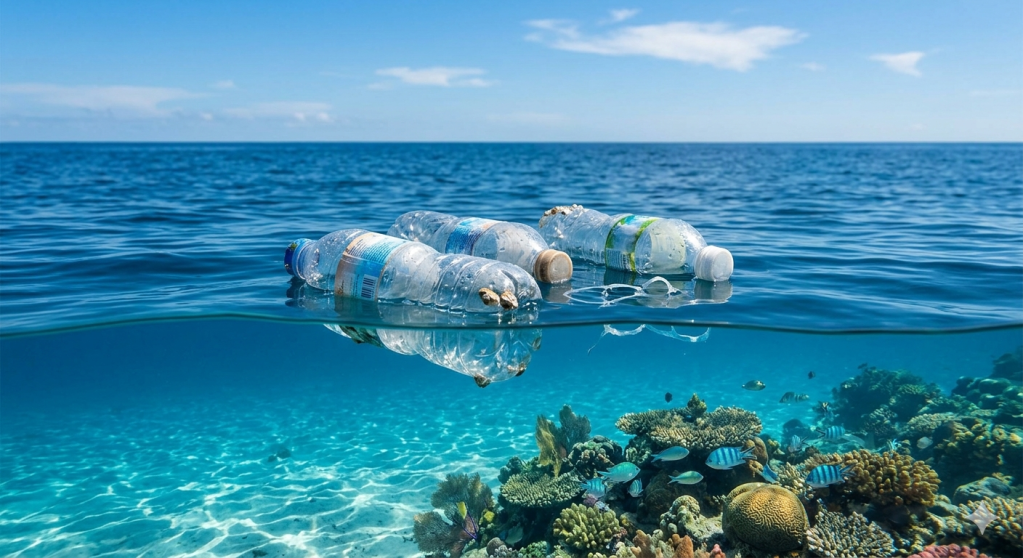
    Several accounting standards address the environmental risk of plastics and microplastics.

    Many thanks to Johns Hopkins School of Advanced International Studies (SAIS) graduate student Shiyuan Liao for an objective and sobering webinar presentation about the uses and risks of plastics in our supply chains and product lines. The webinar was sponsored by SolPods, a nonprofit student-focused community in the sustainability field, and introduced by its Co-Founder and Executive Director Amy Farrell.

    Here in the energy corridor of Houston TX, plastics is a major industry sector. Petroleum (i.e. crude oil) is transformed into petrochemicals, which in turn is utilized to manufacture plastics. Thus, plastics is a significant wealth driver in our regional economy.

    The recent news of microplastics being detected in human brains reminds some of the historic case of the now-banned insecticide DDT entering human bodies through the food chain and then causing damage in successive generations that inherit the chemical as fetuses.

    Fortunately, unlike the situation in the DDT case, medical researchers have not definitively identified any harmful impacts of the presence of these microplastics in human bodies. Nevertheless, it is obviously a potential concern, one that was addressed by Shiyuan Liao in the Q&A discussion after her presentation.

    Interested in learning more about the topic? You may wish to reference the Sustainability Accounting Standards Board’s measurement and reporting standards for Chemicals. It can be accessed by visiting the “Resource Transformation” industry sector of the SASB standards.

    Plastics and microplastics are also covered by the Global Reporting Initiative’s standards for Agriculture, Aquaculture, and Fishing (GRI 13), for Materials (GRI 301), and for Waste (GRI 306). Although the first standard only applies to a single industry sector, the latter two apply to every sector.

    Finally, the Target Indicators of the United Nations’ Sustainable Development Goals covers plastic debris density in SDG 14.1 (Life Below Water, Marine Pollution).

    Incidentally, these resources are all freely viewable or downloadable on the following web pages:

    sasb.ifrs.org/find-your-industry

    globalreporting.org/standards/download-the-standards

    sdgs.un.org/goals

    As you can see, the topic of plastics is a deeply complex one. Again, many thanks to Shiyuan Liao and SolPods for educating us on the subject matter.